
Chemistry Colloquium Program
Day: Friday
Time: 3:30 PM CDT
Location: A101 Annex Auditorium, Life Sciences Building
Unless otherwise noted, seminars will be held on Fridays in the A101 Annex Auditorium at 3:30 PM. Check the individual notices posted on bulletin boards or your e-mail box for confirmation of times and locations.
*Denotes Gameday Weekend
Spring 2026 Schedule
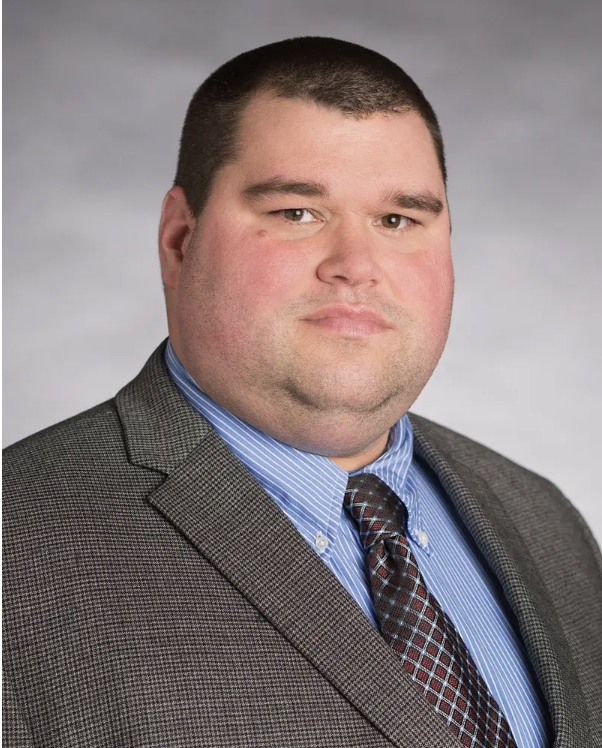

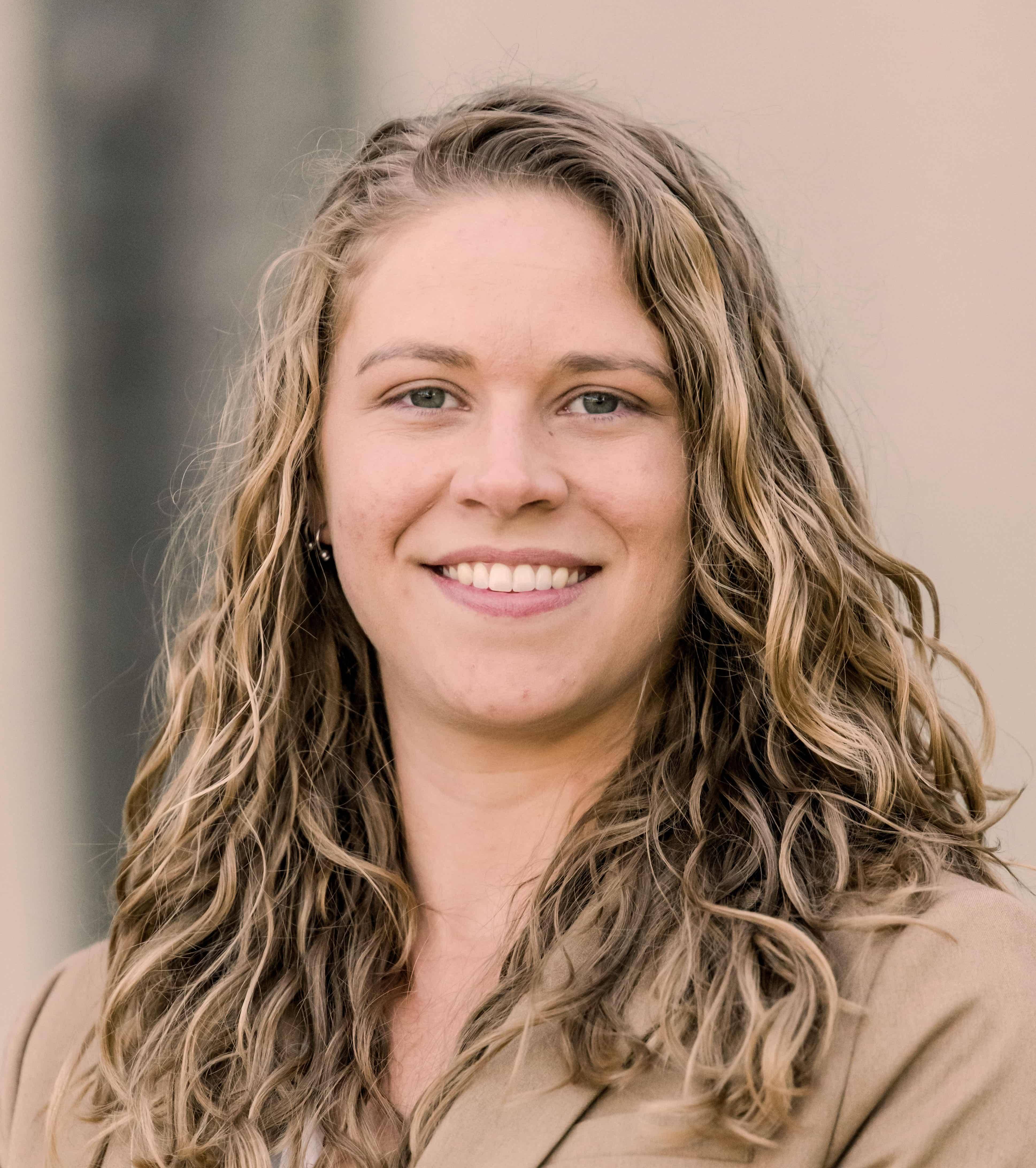
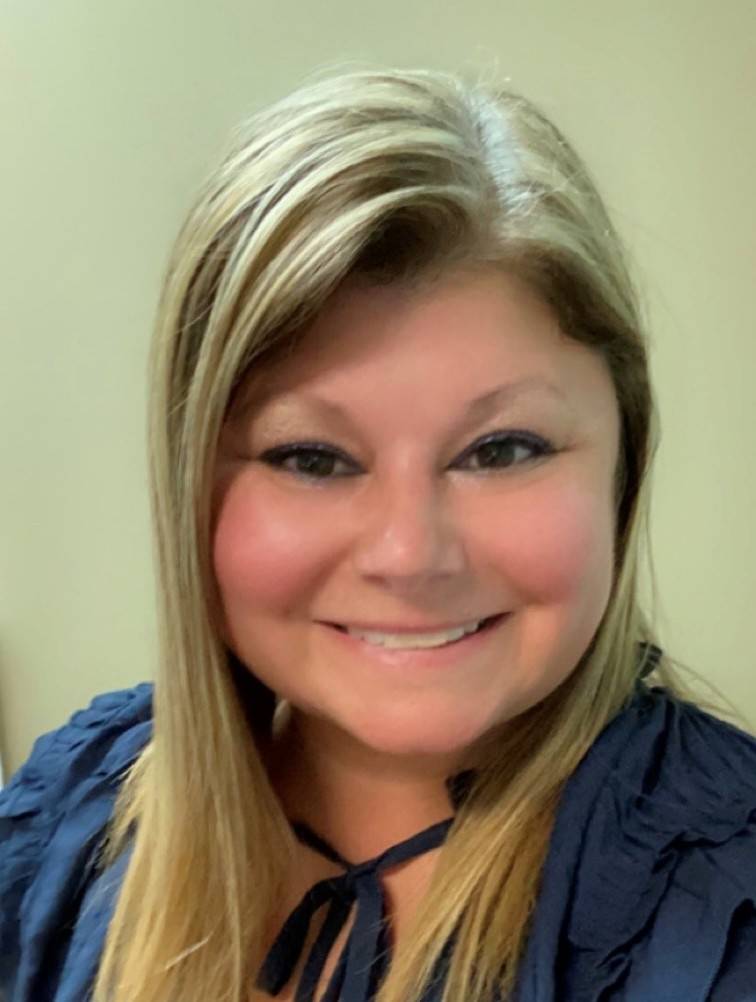
"Louisiana State Police Crime Lab Forensic Chemistry"
The presentation will include a brief overview of the entire lab and in-depth information regarding how chemistry is utilized in forensic science particularly seized drug analysis and human performance toxicology. This will include microscopy, extraction techniques, instrumentation, and reporting results.
Host: Rabi Musah
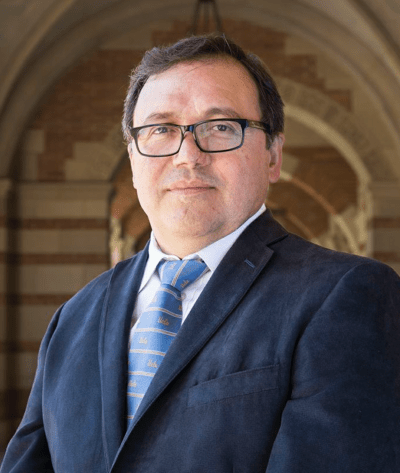
Miguel Garcia-Garibay, Ph.D.
Department of Chemistry and Biochemistry
Dean, Division of Physical Sciences
University of California, Los Angeles
Host: Victor Garcia-Lopez

Molly Atkinson, Ph.D.
Department of Chemistry
University of North Texas
Host: Zakiya Wilson-Kennedy

Gila Stein, Ph.D.
Host: Gerald Schneider

Pratyush Tiwary, Ph.D.
"2031 an AI Odyssey - Generative Models Robust Across Environments"
Host: Revati Kumar
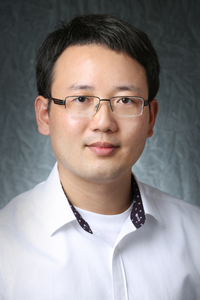
Yu Wang, Ph.D.
Host: Gerald Schneider

Sara Skrabalak, Ph.D.
Department of Chemistry
Indiana University, Bloomington
"Multimetallic Nanocrystals by Design"
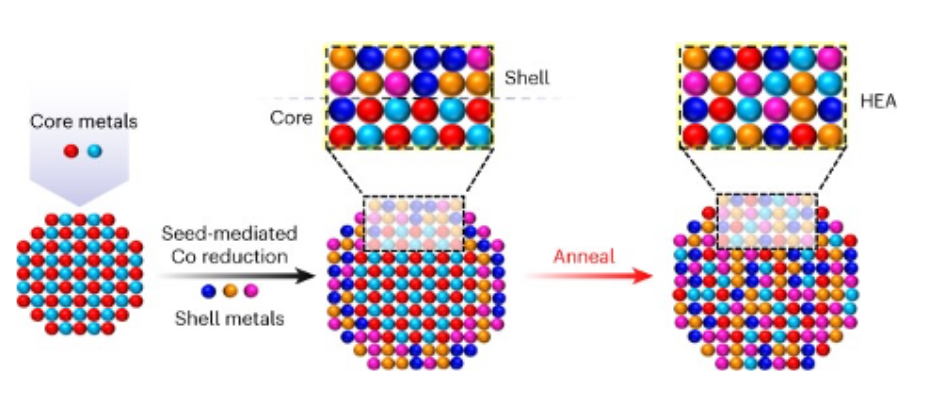
The importance of molecular structure to molecular function is a central tenet in modern chemistry and materials science, with the lock-and-key model of enzyme activation representing a classic example. Likewise, the function of inorganic nanomaterials depends on structural parameters that include crystallite size and shape as well as architecture (e.g., hollow versus solid). To realize the function of such materials, these structural parameters must be precisely controlled, and the Skrabalak group is creating the synthetic toolkit to achieve such advanced nanostructures. This seminar will highlight the use of seed-mediated co-reduction as a route to shape-controlled alloy nanoparticles including high entropy alloy materials as well as hierarchical nanocrystals. These synthetic advances, in turn, are enabling previously unimagined nanostructures to be accessed with new function for applications in chemical sensing and electrocatalysis. Ultimately, understanding the relationship between nanostructure form and function will allow this relationship to be inverted to achieve materials by design. Still, the synthetic toolkit must exist to realize this vision and achieve desired nanomaterials on demand.
Host: Sviatoslav Baranets
Spring Break - No Colloquium
Zorabel LeJeune, Ph.D.
Host: Revati Kumar
Good Friday Holiday - No Colloquium
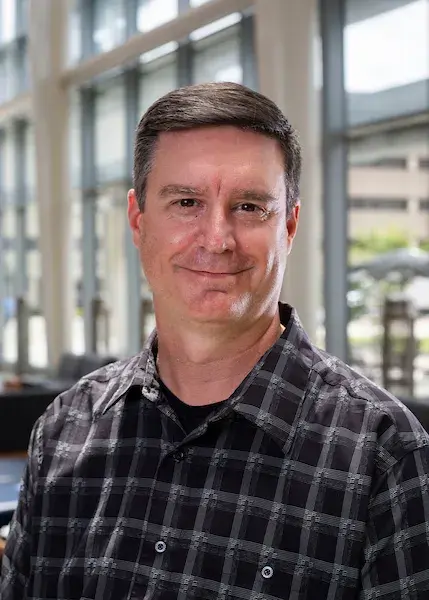
Tom Prisinzano, Ph.D.
Using Conformational Constraint to Combat the Opioid Epidemic
Conformational constraint of a flexible molecule is a commonly used strategy in medicinal chemistry. It is a powerful technique that helps optimize the shape and binding properties of biologically active molecules, ultimately leading to more effective and selective compounds. This strategy involves introducing structural constraints, such as rings or other cyclic moieties, into a molecule to reduce its flexibility. This limits the number of conformations the molecule can adopt, increasing the likelihood that it will exist in a shape that is complementary to the binding site of its target receptor. While in the process of using conformational constraint to develop more effective synthetic opioid rescue agents to combat the opioid epidemic, we serendipitously identified N-(3-hydroxyphenyl)-3,8-diazabicyclooctanes as a new class of potent synthetic opioid. The prototype of the series, which we have termed atoxifent (2), possesses potent in vitro agonist activity. In mice, atoxifent displayed long lasting antinociception that was reversible with naltrexone. Repeated dosing of atoxifent produced antinociceptive tolerance and a level of withdrawal like that of fentanyl. In rats, while atoxifent produced complete loss of locomotor activity like fentanyl, it failed to produce the deep respiratory depression associated with fentanyl-induced lethality. Assessment of brain biodistribution demonstrated ample distribution of atoxifent into the brain. These results indicate enhanced safety for atoxifent-like molecules compared to fentanyl. This talk will outline our current efforts to better understand the chemistry and pharmacology of N-(3-hydroxyphenyl)-3,8-diazabicyclooctanes in hopes of impacting the opioid epidemic.
Host: Fatima Rivas
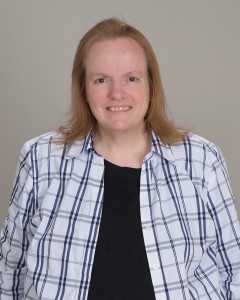
Jayne C. Garno, Ph.D.
Department of Chemistry
Louisiana State University
Host: John A. Pojman

Tammy Dugas, Ph.D.
Louisiana State University
Host: John A. Pojman

Vaidhyanathan Ramamurthy, Ph.D.
Professor
Department of Chemistry
University of Miami
Host: Víctor García-López
Previous Colloquium Programs can be found here: Chemistry Colloquium Archive Page